Is Your Clinic Actually Ready for an EHO Inspection?
Environmental Health Officers are already making educational visits to aesthetic clinics ahead of the new licensing scheme. Here's what they're looking for and how to make sure you're ready.
EHO inspections make a lot of practitioners nervous, and honestly that's understandable. The rules feel vague, different councils seem to enforce things differently, and nobody wants to find out they've been doing something wrong when an inspector is standing in their treatment room.
The good news is that if you're running a well-organised clinic, most of what an EHO expects to see is probably already happening. The issue for most clinics is not compliance in practice — it's the lack of documented evidence that compliance is happening consistently. That's the gap this article is designed to help you close.
Infection control and your physical environment
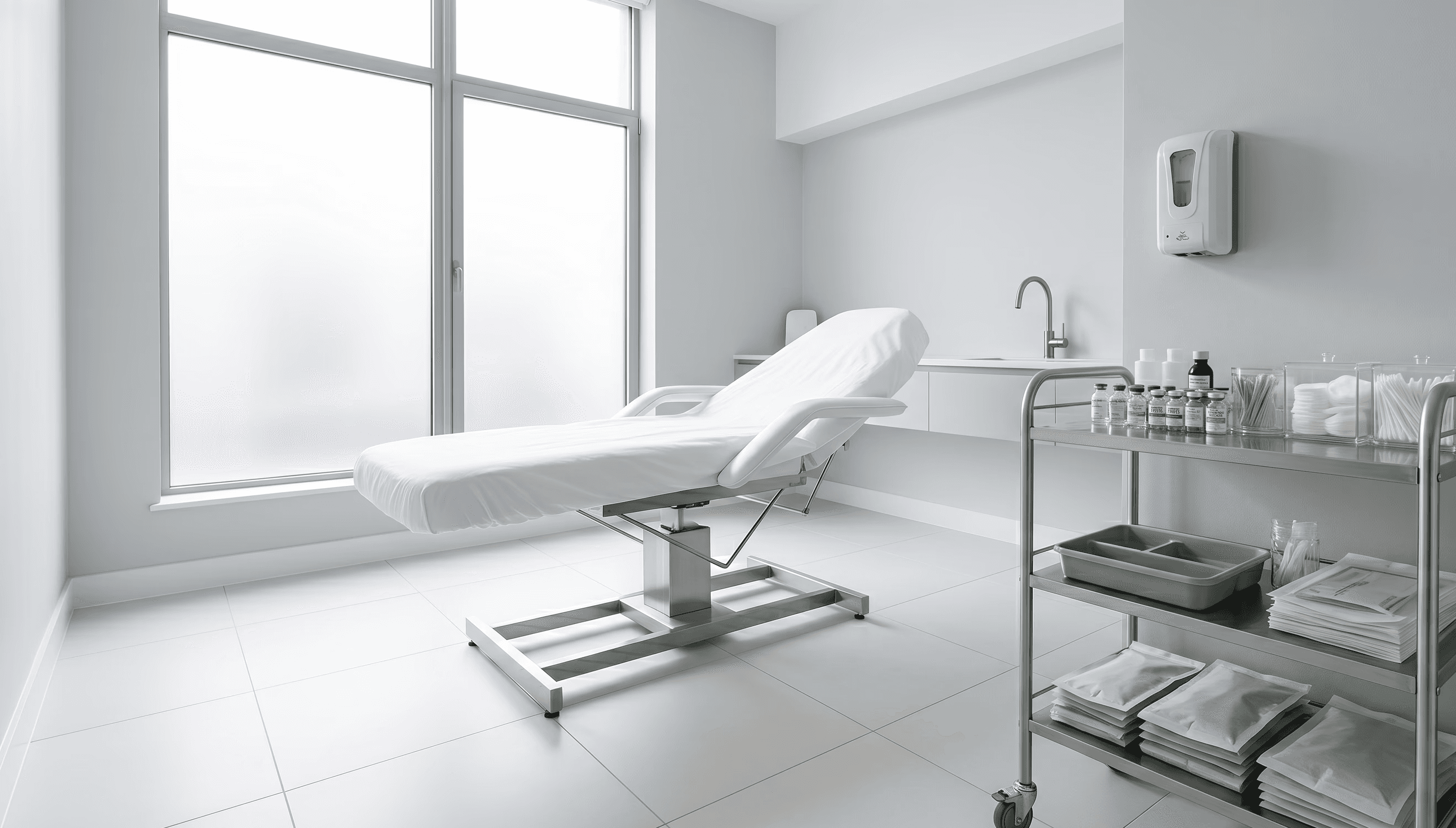
Start with the treatment room itself. EHOs are looking for a clinical environment that can be effectively cleaned between patients. That means wipeable, non-porous surfaces on treatment beds, work surfaces and chairs. Fabric treatment beds are a problem. Soft furnishings in a treatment area are a problem.
You should have a designated, clearly defined treatment area that is physically separate from reception, waiting areas and any non-clinical spaces. If you're working from a room that doubles as something else, that needs addressing.
Hand hygiene stations need to be accessible at the point of care, not across the corridor. You'll also need documented cleaning schedules — not a rota on a clipboard that hasn't been updated in three weeks, but a consistently filled log showing what was cleaned, when and by whom. Sterilisation protocols for any reusable equipment need to be written up and followed visibly.
Sharps disposal is another area that catches clinics out. You need a registered sharps disposal contract, not a sharps bin that you're taking home and putting in your household waste. Clinical waste more broadly, gloves, swabs, anything contaminated, needs to be segregated and collected under a proper clinical waste agreement.
Medicines management
If you're operating at the Amber tier, you're handling prescription-only medicines and the storage requirements are specific.
Botulinum toxin needs to be stored in a lockable fridge at a consistent temperature, typically between 2 and 8 degrees Celsius. That fridge needs a daily temperature monitoring log. Not a mental note, an actual written or digital record of the temperature checked each day the fridge is in use. If the temperature goes outside range, that needs to be logged too along with what action you took.
Multi-dose vials need to be dated when opened. Expired or incorrectly stored medicines sitting in your fridge are a serious finding. Medicines need to be traceable from the supplier through to the patient treatment record, which means keeping batch numbers and being able to link them to specific appointments.
If you're working with a prescriber, their prescription records need to be held securely, linked to the relevant patient and retrievable. "I've got it somewhere" is not a workable answer under inspection.
Emergency preparedness
This is the area that some clinics underestimate and it matters a great deal.
You need access to emergency drugs appropriate to the treatments you're performing. For injectable treatments that means having adrenaline and epipens in date and accessible. Not locked in a car. Not at home. In the clinic, in a known location, within their expiry dates.
At least one person in the clinic at any time needs to be trained in basic life support and familiar with the Resuscitation Council guidelines. For vascular complications from filler, which are a genuine risk at the Amber tier, staff need to know the escalation pathway: what to do, in what order, and who to call. This needs to be a written protocol, not something that exists only in the most experienced person's head.
Documentation and patient records
EHOs will also look at how you manage client records. These need to be stored securely and in line with GDPR. Consent forms need to be timestamped and linked to the specific treatment. If you're running paper records, that system needs to be organised enough that you can retrieve any patient's full history quickly during an inspection.
Practitioner credentials, your own qualifications, your prescriber's qualifications, and your professional indemnity insurance certificate, need to be current and on file. Insurance policies need to cover the specific treatments you're performing. An indemnity policy that doesn't include the procedures on your treatment menu is functionally useless.
One final thought
EHOs are not trying to catch you out. Most of the ones making these visits are learning the aesthetics sector themselves and want to see that you're taking patient safety seriously. A clinic that is organised, can answer questions clearly and can produce documentation promptly makes a very different impression from one that's scrambling.
The aim is to be the clinic where the inspector leaves thinking "they've got this sorted."
Complyable's EHO Inspection Mode turns the platform into an interactive inspection tool. Fridge temperature logs, equipment maintenance records, waste disposal contracts, staff credentials and consent histories are all accessible in a single view. When an EHO visits, you're not hunting through folders, you're tapping a screen. Join the waitlist at getcomplyable.co.uk.
No commitment. Just early access and insights.